EEG 2027 Leak: The Changes That Could Reshape Renewable Investments
5 min read
For two decades, Germany's energy transition ran on a "produce and forget" philosophy, with fixed feed-in tariffs that rewarded raw volume with no regard for market demand. The leaked draft of EEG 2027 marks the end of this era. With a clear preference for direct marketing (Direktvermarktung) for nearly all new systems, the law transforms renewable operators from passive generators into active market participants, shifting the burden of grid stability onto producers themselves.
Peak Shaving and Flexible Connections
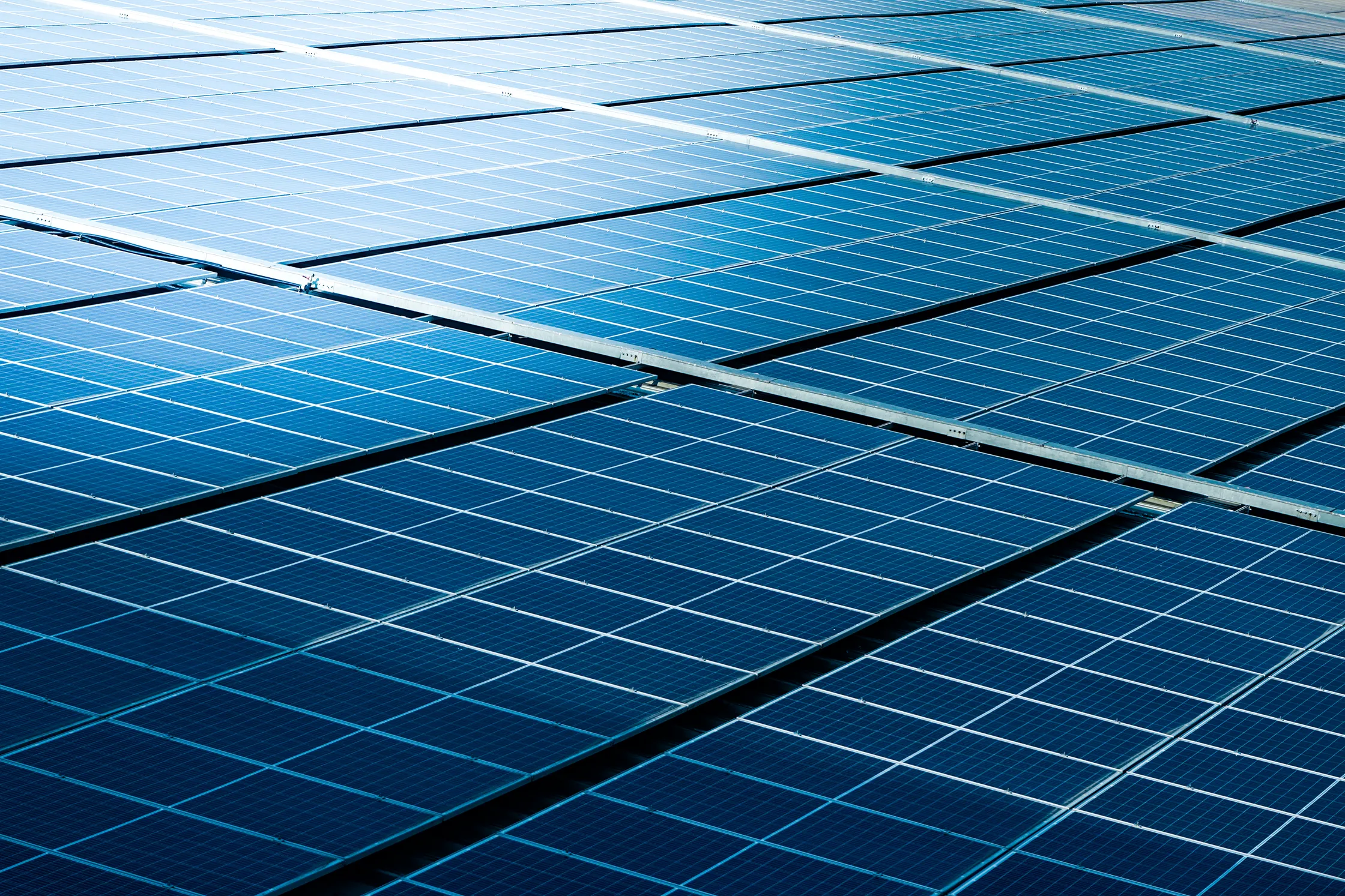
The most disruptive technical change is a mandatory 50% cap on active power feed-in for roof-mounted solar installations (Solaranlagen des zweiten Segments), a legal requirement to manage surplus generation at the source. Balcony solar remains exempt from this requirement. The broader markets are shifting towards Flexible Grid Connection Agreements (flexible Netzanschlussvereinbarungen), replacing the old "all-you-can-inject" model with negotiated, time-window-based feed-in limits and shared responsibility for grid capacity.
Innovation Auctions to be abolished
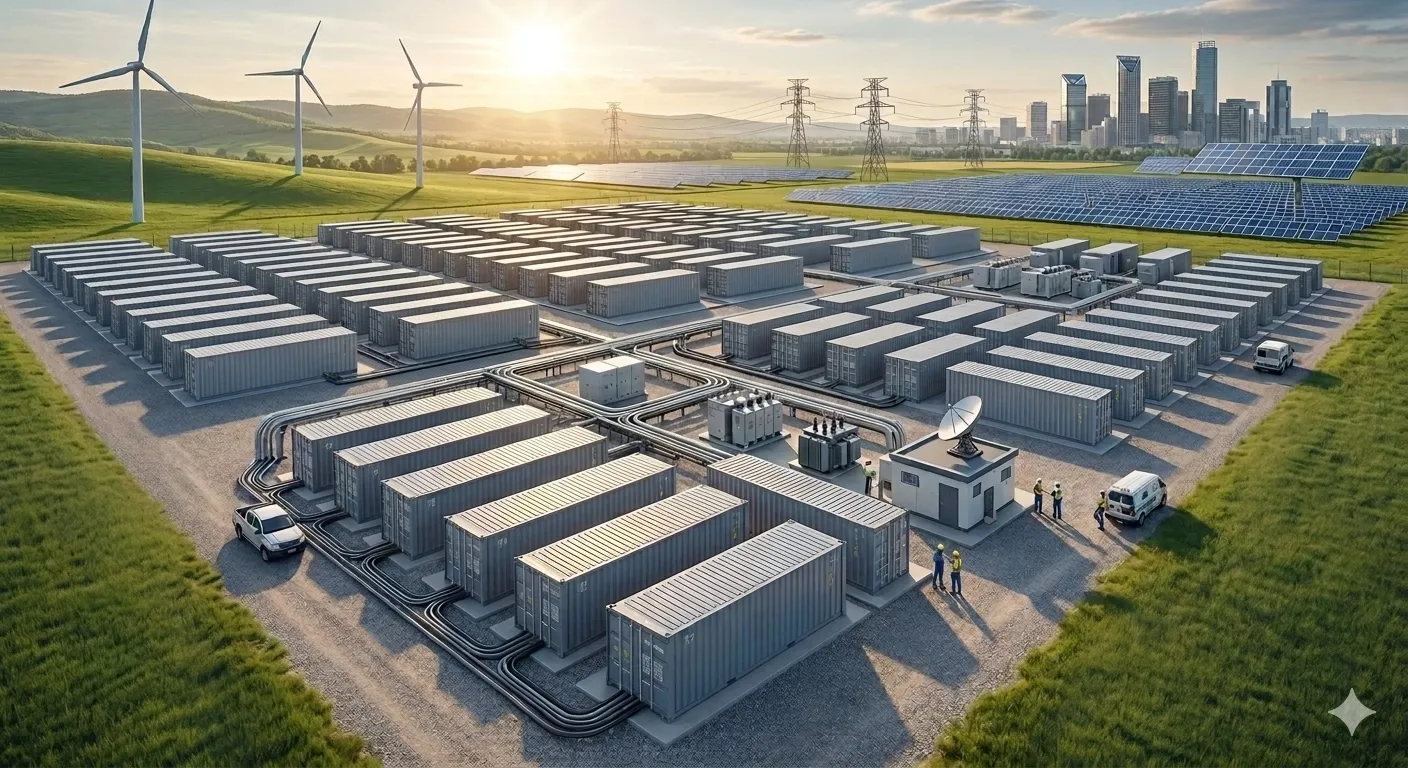
In line with the EU Net-Zero Industry Act, the EEG 2027 draft proposes replacing the former "innovation auctions", which previously funded renewable-plus-storage combinations, with "resilience auctions". Co-located BESS projects are considered standard market practice, so wind and solar projects with integrated storage will compete in regular, technology-specific auctions going forward, which will include qualitative criteria designed to strengthen the European supply chain and reduce industrial dependencies.
The Multi-Use Breakthrough
Historically, co-located BESS faced an "exclusivity flaw": charging from the grid for arbitrage risked losing all EEG market premiums. EEG 2027 resolves this with the Demarcation Option (Abgrenzungsoption), enabling a single battery to shift renewable energy peaks while simultaneously engaging in grid arbitrage - provided the renewable share is accurately metered via Smart Meter Gateways. Operators seeking simplicity can use the Exclusivity Option (100% green charging), while residential systems under 30 kW qualify for the Flat-Rate Option (Pauschaloption), with subsidies up to 500 kWh/kW/year without complex metering.
CfDs: Risk Recalibrated
Systems over 100 kW are subject to a two-way Contract for Difference mechanism. When annual market values exceed the reference price, operators pay a Refinancing Contribution (Refinanzierungsbeitrag), but crucially, this is calculated as an annual flat rate per kWh, not in real time. Batteries discharging during extreme price spikes keep the full hourly margin; only the smoothed annual surcharge applies. During negative price periods, the contribution drops to zero, actively incentivising BESS to charge when the grid needs it most.
Navigating the new market
The EEG 2027 draft seems to be a point of no return. Fixed tariffs are proposed to be phased out, while intelligent storage is the new engine of value. The question for every energy investor is no longer whether to integrate BESS, but whether they are equipped to operate in a market where the battery has become the product.
A question we must ask ourselves is: Are we ready for a grid where the battery is no longer an option, but the engine?
To explore how to model BESS and co-location setup and quantify the impact of upcoming regulatory changes, visit app.re-twin.energy.
The tools to thrive in this new market already exist. Find out how to use them today!
About the Author
Himali Talware
Himali Talware works in Product Development at Re-Twin Energy, focusing on energy markets and regulatory frameworks across Europe. She conducts analyses of European electricity markets, market design and regulatory frameworks, and energy trading mechanisms, with a particular focus on energy storage and power trading. Previously, she interned at the International Renewable Energy Agency (IRENA), where she researched global renewable energy deployment and energy transition pathways. She is currently studying Power Engineering at the Technical University of Munich.
Ready to Transform Your Energy Strategy?
Unlock the full potential of your energy assets with Re-Twin Energy's cutting-edge Analytics & AI platform