Italy may be best known for its sun-drenched rooftops and scenic countryside, but its energy sector is rapidly making headlines for another reason: battery energy storage. As solar and wind installations proliferate across the peninsula, batteries are becoming essential to unlocking their full potential and Italy is quietly building one of Europe’s most dynamic energy storage markets.
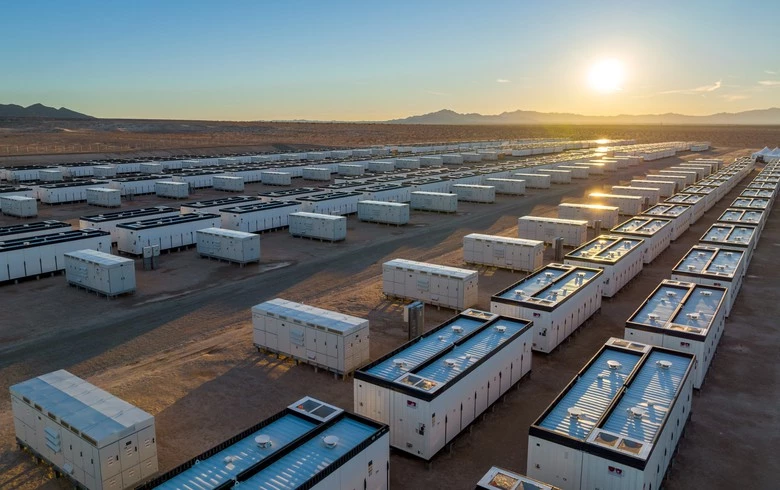
In recent years, Italy has made strides in integrating renewable energy. Now, it’s doubling down on grid flexibility through large-scale battery energy storage systems (BESS). With over 5 GW of BESS already installed and a government target of 50 GWh by 2030, the shift from small residential batteries to utility-scale infrastructure is underway.
What's driving this acceleration? Several factors:
A favorable policy framework, including long-term incentive schemes and grid services access.
Growing investor appetite, as demonstrated by international developers committing to gigawatt-scale BESS pipelines.
An evolving energy landscape, where price volatility and grid stability needs are creating lucrative revenue opportunities for batteries.
Italy is supporting its BESS ambitions with a two-track system: a capacity market and the new MACSE auction scheme. The capacity market has already helped kick-start deployment, particularly in Northern Italy, with gigawatts of battery projects set to enter operation for delivery years 2025 and 2026.
Meanwhile, MACSE introduces a 15-year revenue support mechanism for storage projects — a key draw for institutional investors looking for predictability. With an inaugural auction slated for September, the scheme targets long-duration storage (up to 8 hours) and is initially focused on Southern Italy.
The combination of competitive fixed payments and grid service access is expected to yield strong internal rates of return. In fact, recent analysis shows IRRs of over 9% for supported projects and even higher for some merchant opportunities.
While the fundamentals are promising, developers and investors must navigate Italy’s intricate regulatory environment. Although efforts have been made to simplify permitting, complexities remain — particularly for standalone projects.
A recent legislative change shifted approval authority from the national to the regional level for many BESS projects. While the intent is to streamline local decision-making, some regions are unprepared to process the influx of applications. The risk of delays or inconsistent rulings remains high, reinforcing the value of partnering with experienced local firms.
Italy’s storage expansion is driven largely by domestic needs: balancing its own grid and managing intermittent solar generation. Geography and infrastructure limitations mean that cross-border export of flexibility services is limited, so the Italian storage market is, for now, focused inward.
That said, the scale of activity is substantial. Grid connection requests for BESS have surpassed 300 GW, far exceeding the national target — a clear signal of intense developer interest. Although not all projects will materialize, the pipeline underscores the competitiveness of Italy’s evolving energy ecosystem.
As Italy’s first MACSE auction approaches, and new capacity market rounds loom on the horizon, several themes will shape the next phase of development:
Regional alignment on permitting and planning
Clarity on grid services participation for storage assets
Continued market reform to ensure storage is treated on par with generation assets
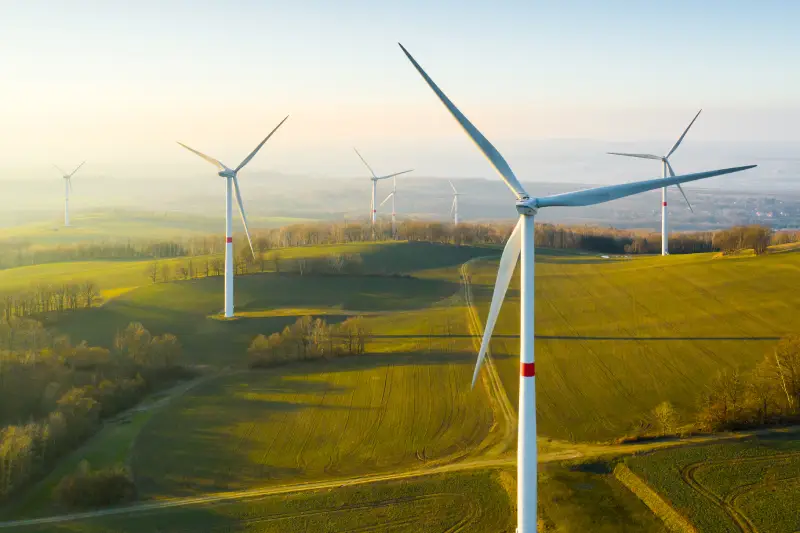
Strategic co-location of BESS with solar and wind to maximize value
Italy’s path to becoming a storage leader is not without obstacles. But with strong fundamentals, rising investor interest, and a policy environment that is steadily maturing, the country is well on its way to becoming Europe’s next big BESS success story.
About the Author
Florian Heise
Florian Heise is an energy-industry specialist with experience in consulting, logistics tech, and green-hydrogen development. As former head of strategic projects, he researched BESS and energy-storage markets across Germany and the EU. Today, he uses that knowledge as co-founder of Re-Twin Energy. Florian holds a Master’s in Finance & Accounting from Freie Universität Berlin and has even run a small coffee-import venture.
Ready to Transform Your Energy Strategy?
Unlock the full potential of your energy assets with Re-Twin Energy's cutting-edge Analytics & AI platform